
Clinical work in a room that doesn't feel clinical.
Forty years of sports medicine and injury recovery — delivered the way you'd actually want to be treated.
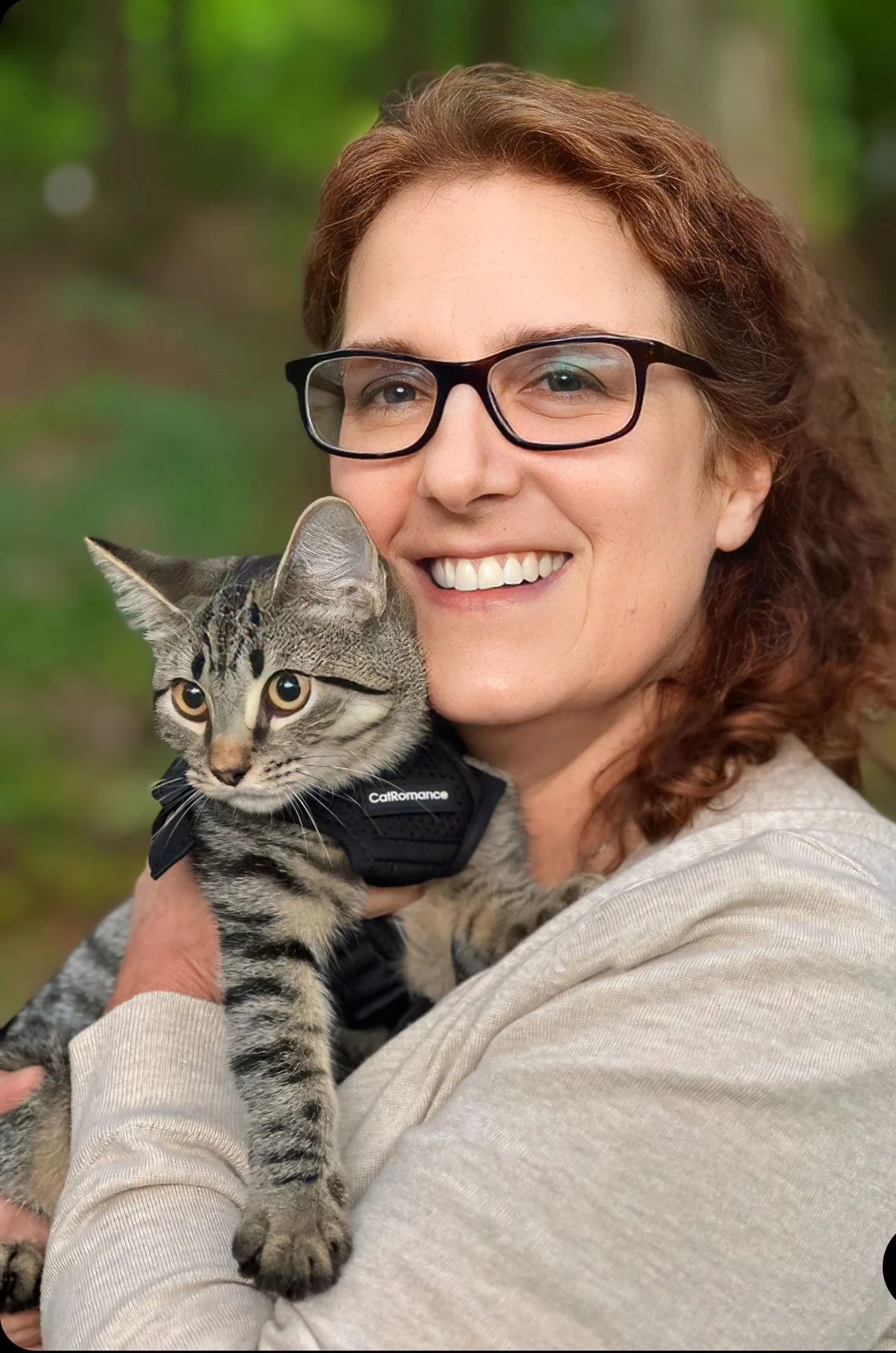
Road to Recovery start today.
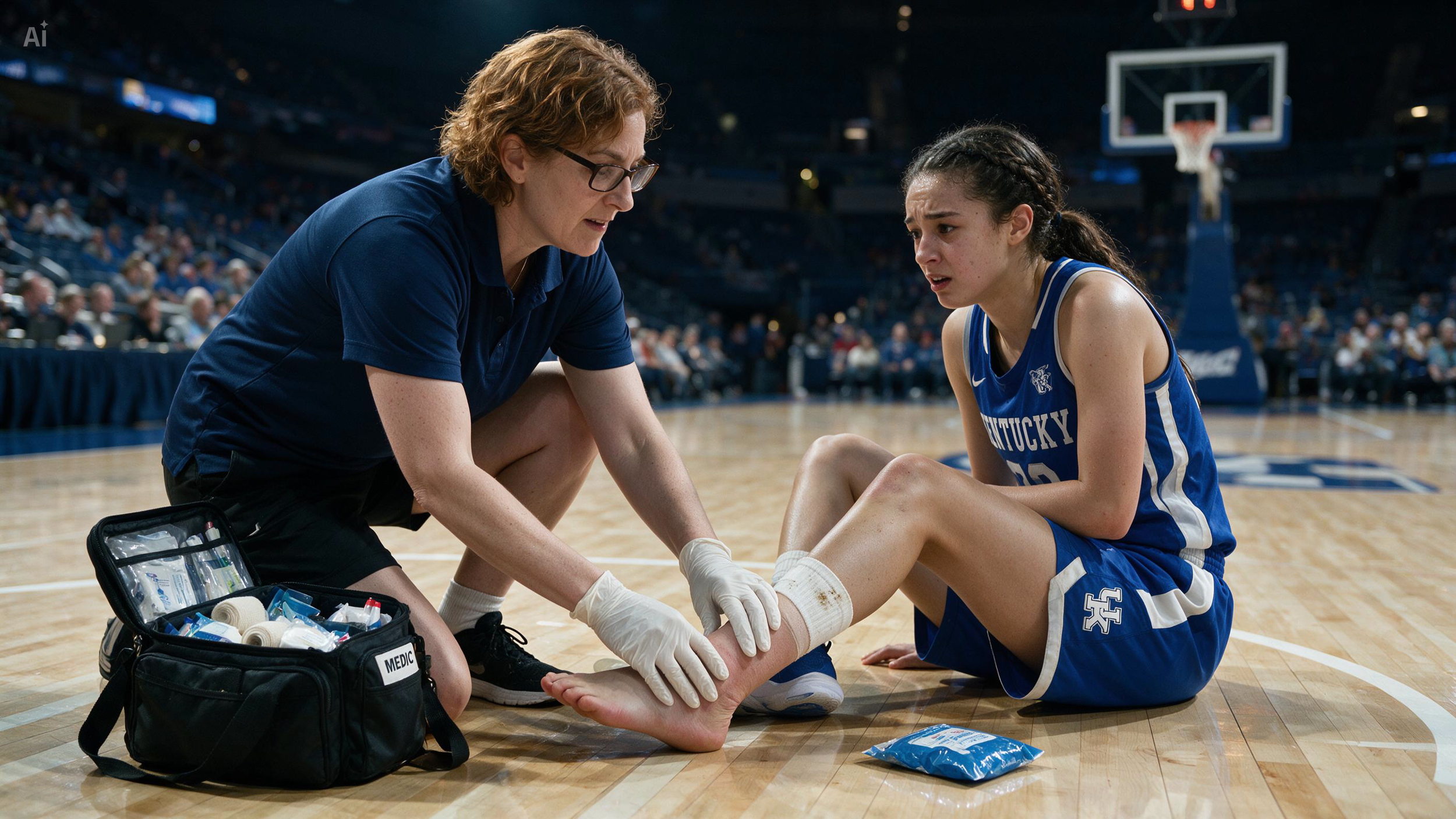
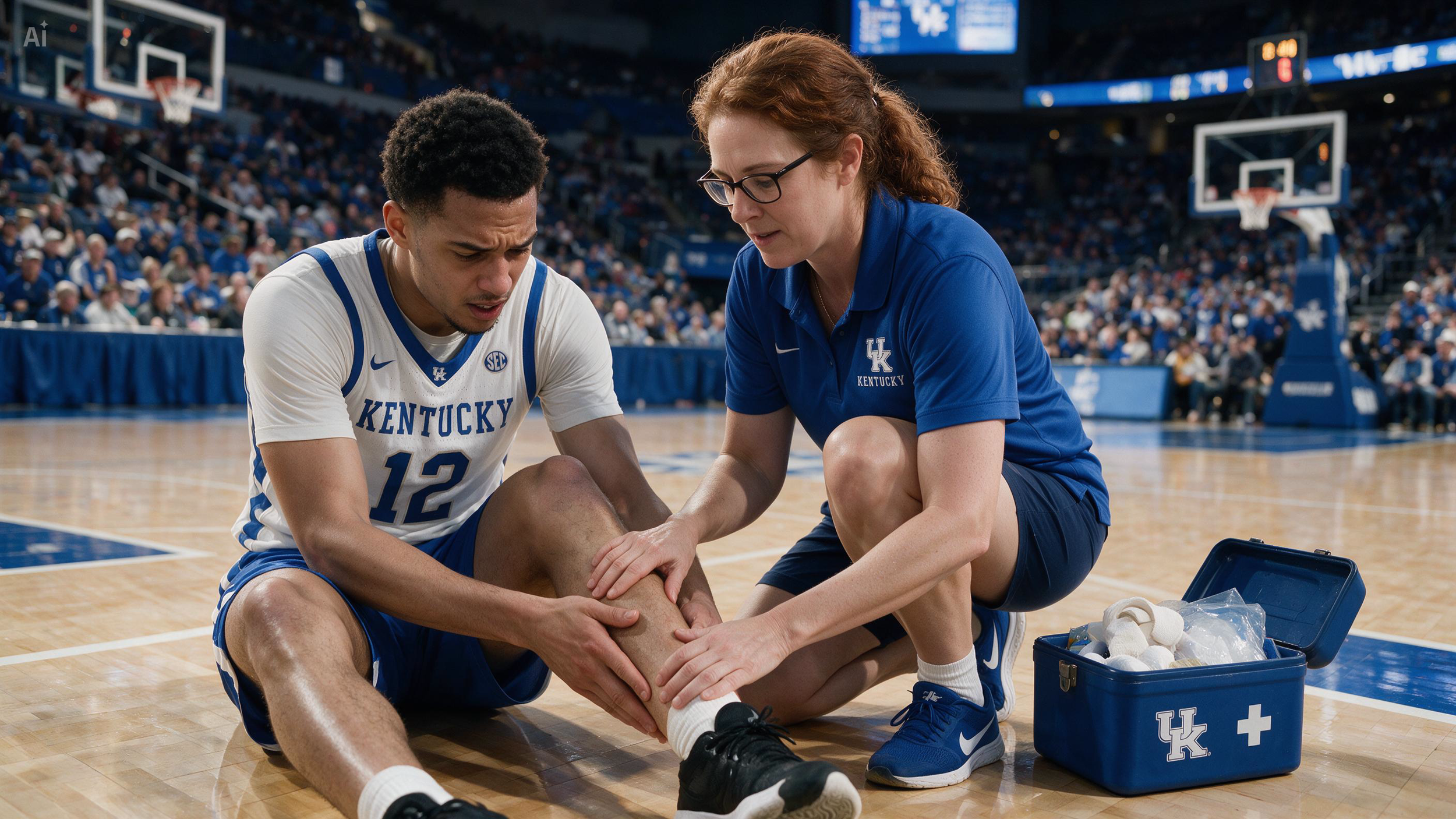
40 years of sports medicine, athletic training, and hands-on rehabilitation — in Hartford, Connecticut.
I went to massage school because I was convinced that hands-on work belonged in rehabilitation. Not as a luxury. As part of how people actually get better.
That conviction turned out to be the easy part. The harder question was why it worked — which muscle was compensating for which, why the pain showed up two joints away from the injury, why one person recovered in three weeks and another took six months. So I went back to school, to Kentucky State, for sports medicine. I wanted to understand the muscular system properly, not approximately.
Then I spent years as an athletic trainer working with college football teams.
That work changes how you think. On a sideline, nobody has time for a vague answer. You evaluate quickly, you're specific about what's wrong, and you're honest about what it will take to come back. Nobody is there to relax. They're there to get functional again.
I brought all of that to the table — literally.
What I actually do
I evaluate before I treat. I'll ask what you do all day, how you sleep, when the pain shows up and when it doesn't, what you've already tried. Then I work, and I don't follow a script, because bodies don't.
Often the problem isn't where the pain is. A shoulder that won't settle down is frequently a hip or a rib doing something it shouldn't. Forty years of looking has taught me where to check.
You'll leave with something to do at home. One or two things — not a program you won't follow — that make the work last longer than the hour you paid for.
Who I work with
Athletes, current and former. People whose work is hard on their bodies — lifting, standing, repetitive motion, or eight hours at a desk. And a lot of people who've had the same pain for years and were told to live with it.
That last group is my favorite. Being told nothing more can be done is usually not true. It usually means nobody looked in the right place.
Why I'm still doing this
Because it still works. There's a moment, usually somewhere in the second half of a session, when a person's breathing changes and they stop bracing. After 40 years I still notice it every time, and it's still the reason I do this.