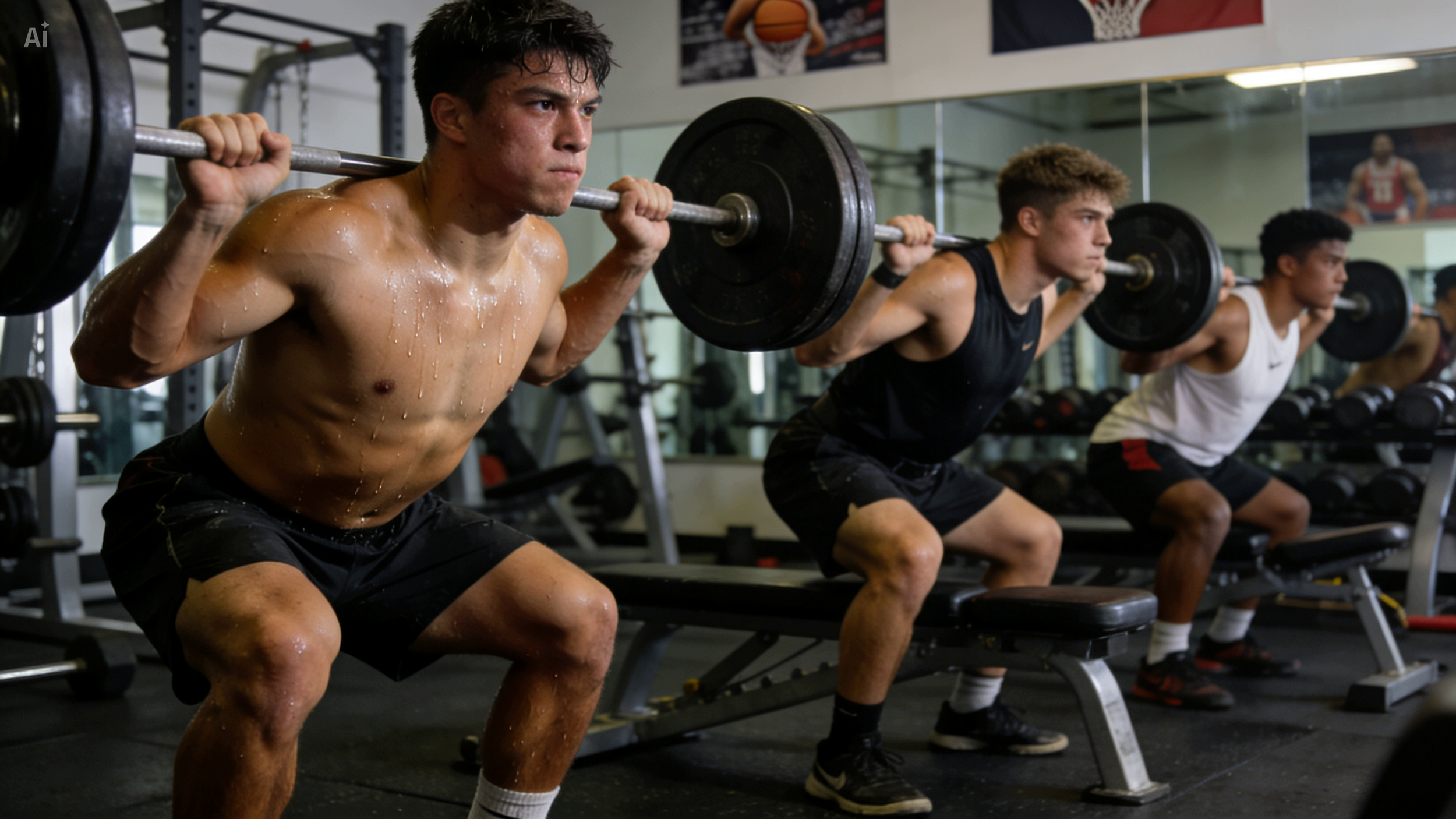
Your Squat Isn't the Problem. Your Ankles Are.
If the ankle won't bend far enough, the body finds the range somewhere else — usually by tipping the torso forward. You feel it in the low back. The restriction is at the ankle.
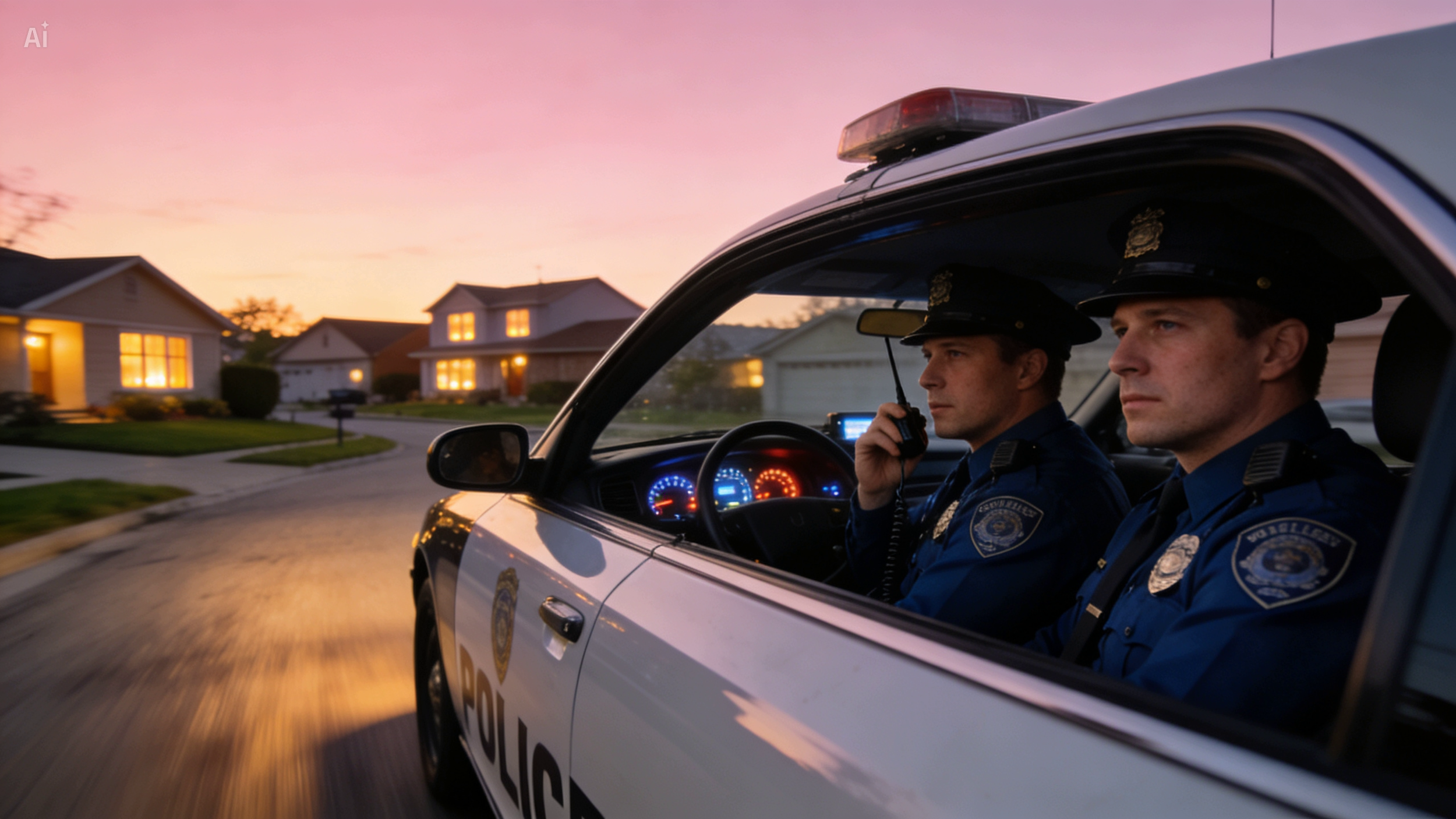
What Sitting Still for Hours Does to Your Hips
Driving doesn't feel like physical work, which is why the damage goes unnoticed. Shortened hip flexors, constant vibration, and one leg working asymmetrically for the whole drive.

Hours Still, Then All at Once
Hours static in a vehicle, then everything at once. It's the same problem as a player sent in cold — and it's why two-thirds of officers report chronic low back pain.

Pickleball Elbow Is Real, and It Usually Starts at the Shoulder
The elbow gets blamed more often than it deserves. When the shoulder isn't doing its share of the overhead work, the elbow absorbs what's left — which is why treating only the elbow doesn't hold.

The Hip Your Child Always Rides On
Everyone has a side they carry on. After enough months, the body stops treating that as temporary and starts treating it as normal — and the pain shows up long after the pattern is set.

Ten Miles a Day: What Delivery Work Does to Feet and Knees
The volume of walking alone is significant, and it's on hard surfaces in work footwear. A satchel on one shoulder loads the body asymmetrically for hours. The repeated step up and down out of a vehicle is a high-frequency movement most people never think of as loading — and delivery routes have gotten denser, not lighter.

Why Nurses' Backs Give Out Before Their Shifts Do
Nursing has one of the highest injury rates of any occupation, and the low back takes most of it. Patient handling causes it, and why twelve-hour shifts make it stick.

Why Runners Feel It in the Knee
Knee pain is the most common running complaint — and the knee is often not where the problem is. Here's what usually causes it, and why treating only the knee doesn't hold.